
For travelers searching for Oslo for nature lovers, this city offers something rare: a true wilderness access without leaving the capital. The protected forests of Oslomarka, the calm waters of the Oslofjord, and a string of accessible islands make it one of Europe’s most nature-integrated cities. After living in Oslo for many years, I wrote this guide to show you exactly where to go, forests, fjords, and islands you can visit in a single day, with practical details to make it effortless.
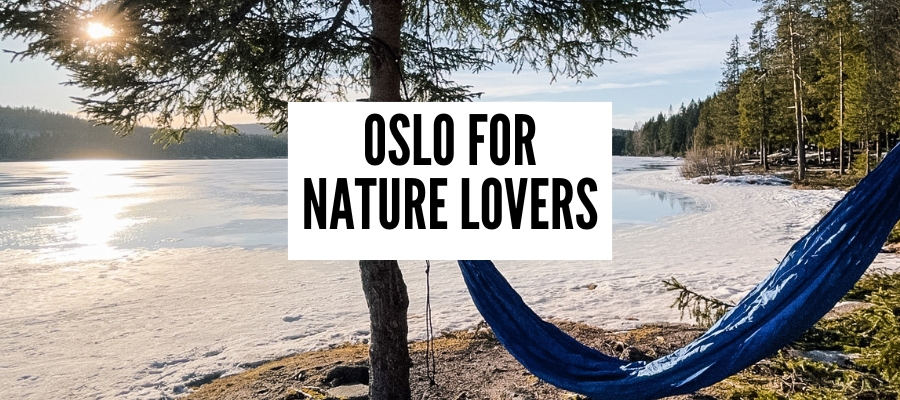
Oslo is not only for museums or Nordic design. For me, it’s worth visiting because within minutes, the city dissolves into forest, because ferries leave the harbor and drop you on quiet islands., and beacue you have nature here all around you.
Oslo Nature
Most capital cities make you choose: culture or wilderness. Oslo doesn’t.
Here, you can swim in the fjord before breakfast, hike through forest by midday, and watch the sun drop behind wooded hills without ever leaving the city limits. For nature lovers, Oslo is not just a base for outdoor adventures, it is the adventure.
This guide is for those who want to experience the very best of Oslo for nature lovers: the forests of Oslomarka, the calm waters of the Oslo fjord, and the islands you can reach in minutes by public ferry. Every place mentioned here is accessible in a single day, and no car required.
This post may contain affiliate links, which means that I may receive a small commission, at no cost to you, if you make a purchase through a link. More details here.

Why Oslo Is Unique for Nature Lovers
Few capitals in Europe are as geographically compact and nature-integrated as Oslo. Nearly two-thirds of the municipality is covered by protected forest known collectively as Oslomarka. The city also sits directly on the inner Oslo fjord, dotted with easily accessible islands. That’s why Oslo day trips in nature are so eazy to organize!
Norwegians call their outdoor philosophy friluftsliv, an open-air living. Norwegian friluftsliv is not a trend here, it’s a way of life. Trails are marked, lakes are swimmable, public access rights are protected, and even central metro lines end at forest trailheads.
If you are searching for hiking near Oslo city center, Oslo forests accessible by metro, islands in Oslo fjord you can visit in a day, or best nature spots in Oslo without a car – you’re in the right place.
And if you want to see the best places to visit on day trips from Oslo – check it out here.
- QUICK PLANNING TIPS FOR TRAVEL IN OSLO AND NORWAY
- Save time and money with the Oslo Pass
- Find the best flights to Norway with Skyscanner.net
- Book your accommodation with Booking.com, and find the cheapest and best Oslo hotels here
- Find the best car rental deals on Rentalcars
- Check the best-rated activities in Norway on Get Your Guide and Viator
- Read Norway on a budget travel guide

The Forests of Oslo: Oslomarka & Nordmarka
When locals say “marka,” they mean the vast forest belt surrounding the city. Technically protected by law since 2009 (Markaloven), Oslomarka ensures the forest remains preserved for recreation and biodiversity.
The most visited section is Nordmarka, directly north of the city. But you’ll also find equally beautiful areas east and south.
1. Nordmarka: Classic Oslo Forest Hiking
Best for: long hikes, lake swims, cabin stops
Access: Metro Line 1 to Frognerseteren or Sognsvann
Nordmarka is the iconic answer to “Where can I hike in Oslo?”. For more options for Oslo hikes check here.
Nordmarka trails are many and varied, something for everyone.
From Frognerseteren, you get panoramic views over the Oslo fjord before descending into deep spruce forest. The trails are wide, well-marked, and range from gentle gravel roads to narrow forest paths.
Popular Nordmarka Day Hikes
- Frognerseteren to Ullevålseter (approx. 10 km roundtrip)
- Sognsvann around-the-lake loop (3.3 km flat trail)
- Nordmarka cabin-to-cabin hikes
The forest here is dominated by Norway spruce and Scots pine, interspersed with small lakes that are clean enough for swimming. Wild blueberries grow in late summer, and cross-country ski tracks replace hiking trails in winter.
Sognsvann: The Easiest Nature Escape
For a zero-effort forest experience, take the metro to Sognsvann. It’s one of the most accessible lakes in Oslo. The trail forms a flat 3.3-kilometer gravel loop that is easy to walk in any season. During the summer, designated areas along the lake are suitable for swimming. The area is accessible throughout the year, regardless of weather conditions. It is especially popular with runners, and in winter, many locals come here for cold-water ice bathing.
For visitors short on time, this is the fastest way to experience Oslomarka.

2. Østmarka: Quieter, Wilder Forest
Best for: solitude, less crowded trails
Access: Metro to Skullerud
East of the city lies Østmarka, often overlooked by visitors.
It feels more rugged than Nordmarka. Trails are narrower, terrain slightly hillier, and you’ll encounter fewer people.
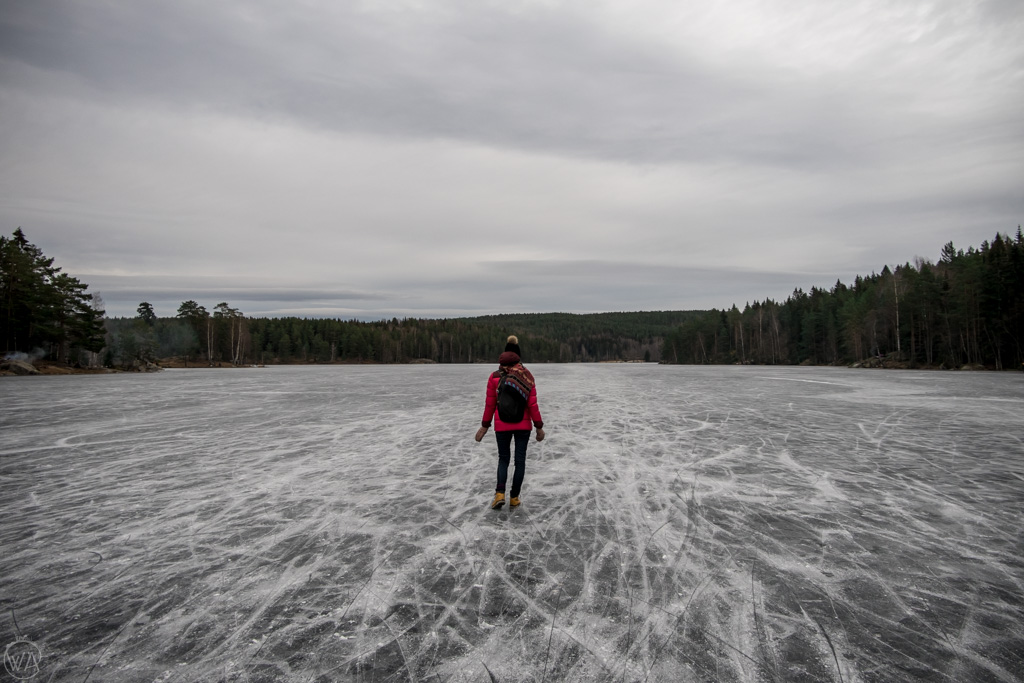
A highlight here is Nøklevann, a beautiful forest lake with marked trails and some of the best Oslo swimming spots. The loop around Nøklevann is about 8 km, ideal for a half-day hike.
In winter, Nøklevann freezes over, creating perfect conditions for ice skating in Oslo.
*Oslo City Map + Around Oslo Map*
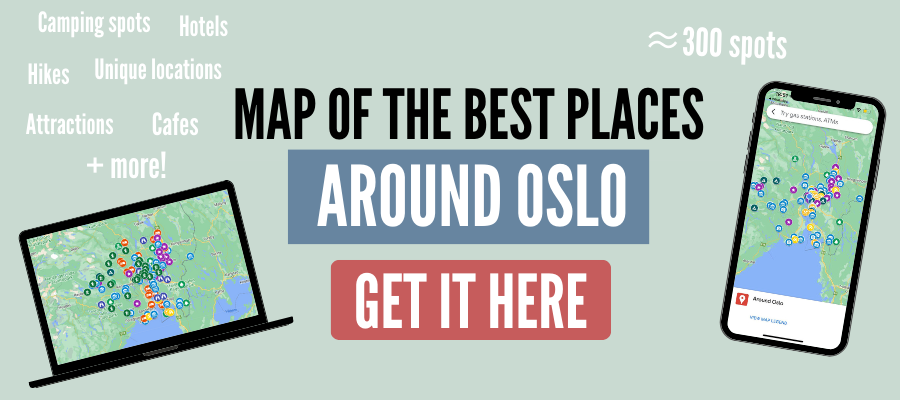
After living in Oslo for 7+ years I’ve created two maps (Oslo City Map and Around Oslo Map) with 700+ marked places on Google Maps, organized in categories, with details and photos. From the best hikes to the most cozy cafes through camping places, museums, attractions, viewpoints, and more. Save yourself long hours of research and start exploring! Get the map bundle here!

The Oslo Fjord: Blue Space Within Reach
The Oslofjord is technically not a dramatic western Norwegian fjord with towering cliffs, and that’s exactly why it’s special. It’s calmer and more accessible.
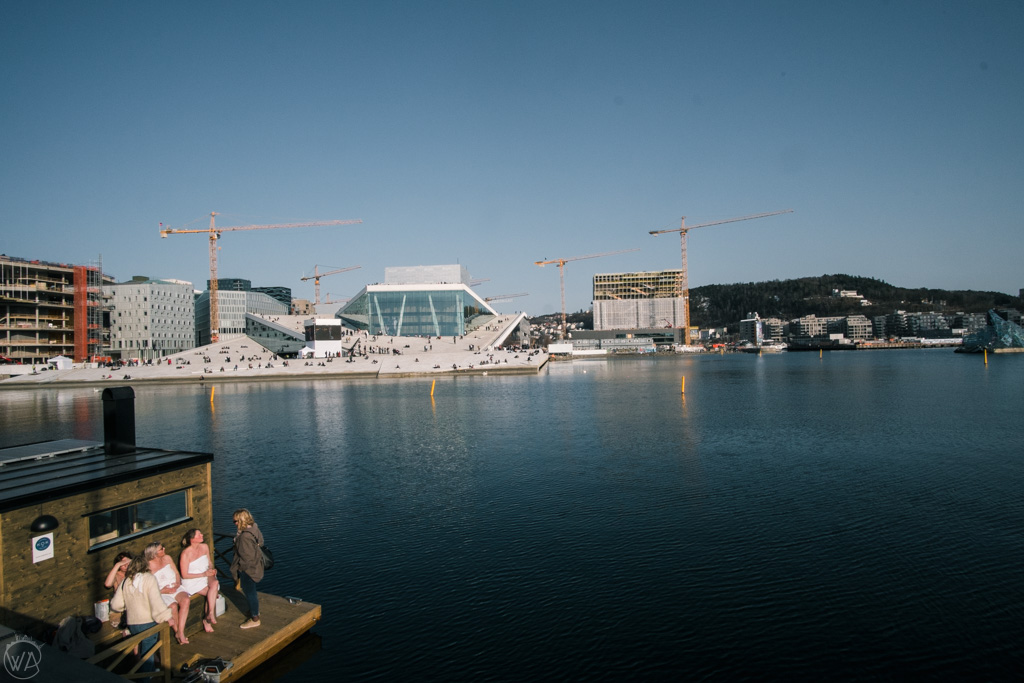
In summer, locals swim before work. Kayakers glide between islands. Ferries connect small green islands that feel worlds away from city streets. I love that about Oslo, that the fjord is always within reach, during summer and winter.
Islands on the Oslofjord
3. Hovedøya: Ruins, Meadows & Easy Access
Best for: first-time visitors, swimming, history
Access: 15-minute ferry from Aker Brygge
The closest and most visited island is Hovedøya. Within minutes of leaving the harbor, you’re surrounded by wildflowers, forest paths, and quiet swimming coves. The island is home to medieval monastery ruins dating back to the 12th century.
Highlights:
- Shallow sandy beaches
- Forest trails
- WWII bunkers
- Monastery ruins
Hovedøya is small enough to explore fully in 2–3 hours.
4. Gressholmen: Peaceful & Underrated
Best for: quiet swims, picnics
Access: Ferry from Aker Brygge
Gressholmen feels less polished and more local. There’s a small café (seasonal), grassy picnic areas, and several swimming spots. In early summer, wildflowers cover the meadows. It’s one of the most peaceful islands in the inner Oslo fjord.
5. Langøyene: Sandy Beaches & Camping Feel
Best for: beach day, camping vibe
Access: Seasonal ferry from Aker Brygge
Langøyene has some of the best sandy beaches near Oslo city center. The island was once used for waste disposal in the early 20th century but has since been rehabilitated into a recreational area. Today, it’s known for large sandy beaches, clear swimming water and open camping areas – yes, you can camp there for free!
On warm summer days, it feels like a small coastal holiday, without leaving Oslo.
Kayaking in the Oslo Fjord
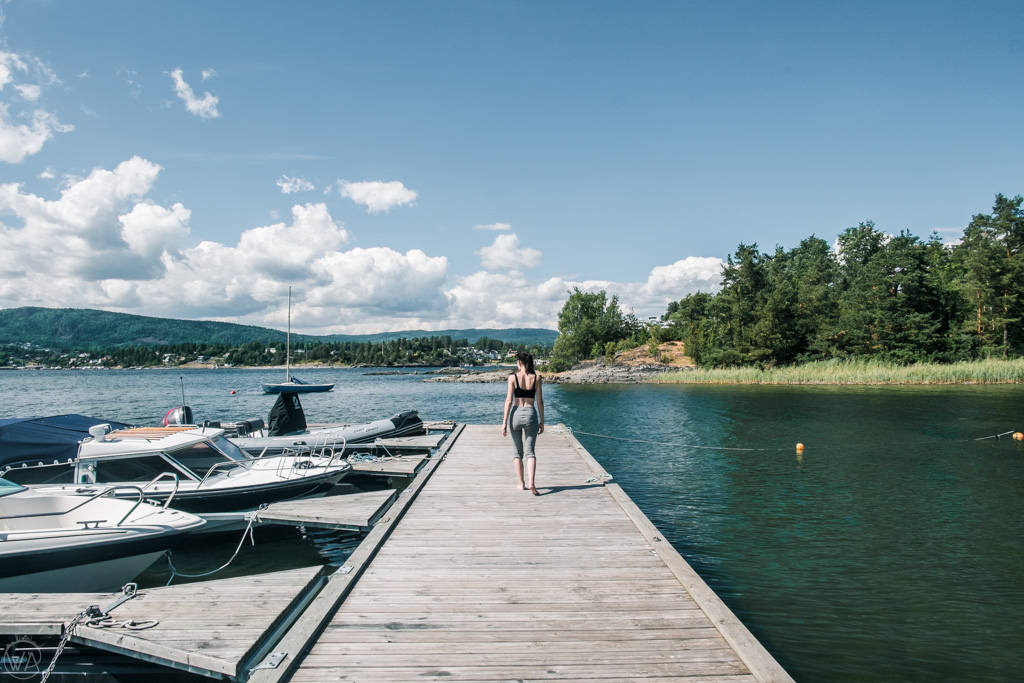
For a more active fjord experience, kayaking is one of the best Oslo summer activities.
You can rent kayaks from operators near the harbor and paddle between Hovedøya and nearby islands. The inner fjord waters are relatively calm, making it suitable even for beginners in good weather.
Early mornings are especially beautiful with glassy water and minimal boat traffic.

Oslo Viewpoints: Forest Meets Fjord
For nature lovers who want panoramic views of Oslo’s unique combination of city, forest, and fjord, there are several viewpoints that offer breathtaking perspectives without requiring a strenuous climb.
Frognerseteren Viewpoint
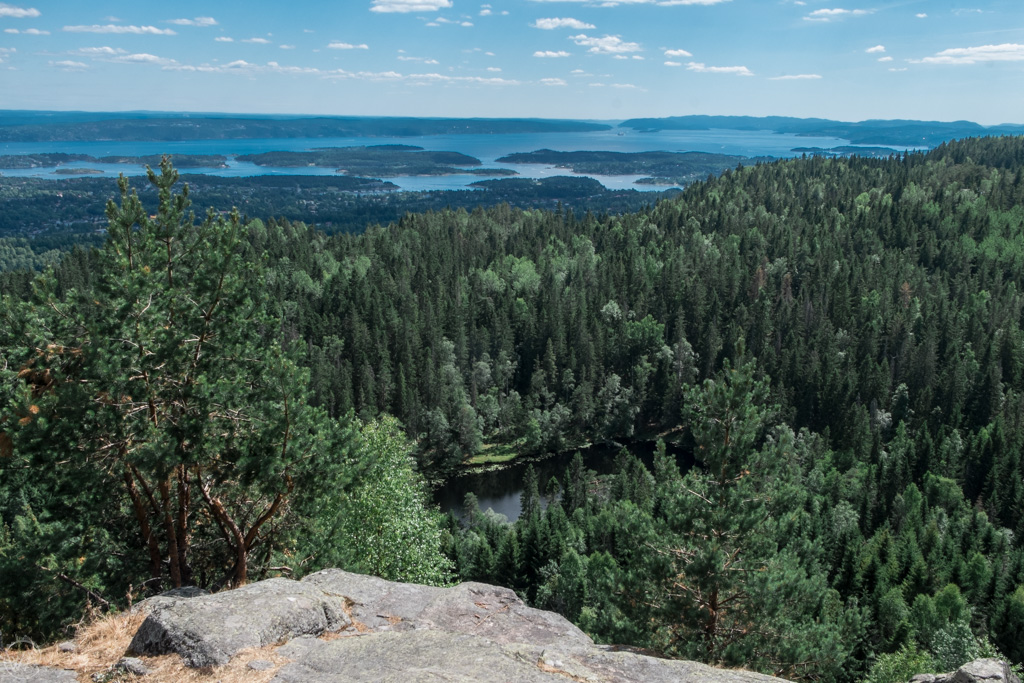
At Frognerseteren, you can overlook the entire city, the islands of the inner Oslofjord, and the surrounding forested hills. It’s the endpoint of Metro Line 1 and a starting point for many Oslomarka hiking trails.
- Best time to visit: Sunset or early morning for soft light and calm atmosphere
- Activities: Hiking, photography, Nordic skiing in winter
- Tips: Bring a picnic and enjoy views from the terrace of Frognerseteren restaurant if you prefer a comfortable stop. It’s one og my favourite Oslo restaurants.
Ekebergparken Viewpoint
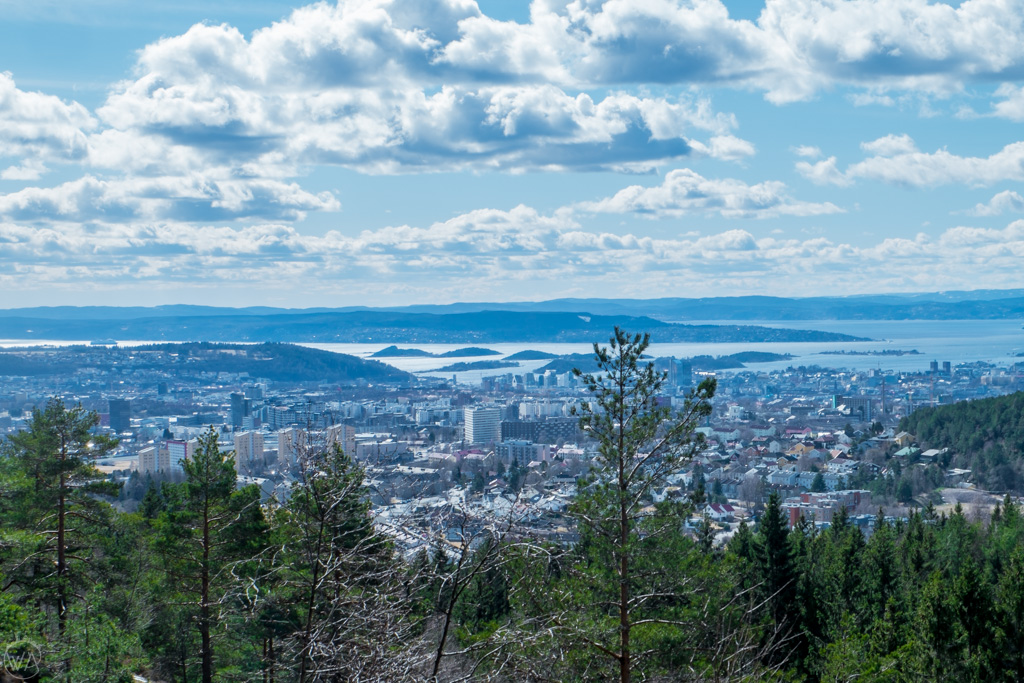
Ekebergparken is slightly closer to the city and offers one of the most photographed views of downtown Oslo with the fjord in the foreground. The park combines art and nature: walking trails wind through wooded hills dotted with sculptures.
- Best time to visit: Any season; the forested hills look especially beautiful in autumn
- Activities: Walking, photography, casual forest hikes, sculpture spotting
- Tips: The uphill walk from the city is about 20 minutes, or take the bus to save time.

Vettakollen: Oslo’s Hidden Panorama
For another viewpoint, Vettakollen rises just west of the city. From the top, you get sweeping views of Nordmarka forests, the Oslofjord, and the western suburbs.
Highlights: Sunrise and winter snow panoramas are spectacular. It’s one of the easiest Oslo winter hiking trails to do.
Access: Take the T-bane to Sognsvann or Holmenkollen and follow marked trails
Activities: Hiking, mountain biking, birdwatching

Grefsenkollen: Panoramic City & Fjord Views
For one of the most iconic vistas of Oslo, Grefsenkollen offers a sweeping panorama of the city skyline, the Oslofjord, and the surrounding forests. Located northeast of the city center, it’s easily accessible by bus or a short hike from the nearby residential areas.
- Best time to visit: Sunset for golden-hour photos or winter for snow-covered panoramas
- Activities: Photography, casual hiking, picnics
- Tips: There’s a cozy café and restaurant at the top for refreshments and warm drinks, making it perfect for both summer and colder months.

Oslo Lakes: Peaceful Forest Waters
Oslo is surrounded by pristine lakes, many of which are integrated into Oslomarka hiking trails or have their own easy loops for a short nature escape.
Sognsvann: City’s Favorite Lake
Sognsvann is only 20 minutes by metro from downtown Oslo. Its 3.3 km gravel loop is perfect for running, walking, or a gentle forest hike.
- Best time to visit: Summer for swimming, winter for ice skating if the lake is frozen
- Activities: Swimming, jogging, picnics, Nordic walking
- Tips: Parking is limited; the metro is highly recommended.
Nøklevann: Hidden East Oslo Gem
Nøklevann is located in Østmarka, east of the city. Less crowded than Sognsvann, it is ideal for those seeking solitude.
- Activities: Hiking around the lake (~8 km), swimming, birdwatching
- Best for: Afternoon forest walks or a quiet day in nature
- Tips: Trails can be muddy in spring; waterproof shoes are recommended.
Maridalsvannet: Oslo’s Largest Drinking Lake
Maridalsvannet provides a mix of scenic and practical significance, as it supplies Oslo with drinking water. Trails along the lake offer peaceful forest walks with views of the water and surrounding hills.
- Activities: Hiking, cycling (on marked paths), wildlife spotting
- Best time to visit: Spring for migratory birds, autumn for colorful foliage
Øyervann: Tranquil Forest Lake
Øyervann is a serene lake in the southern part of Oslo’s forested areas, popular among hikers and families looking for a quiet day in nature.
- Activities: Hiking along the surrounding trails, swimming in summer, fishing (with permit)
- Best for: Solitude, birdwatching, peaceful lake walks
- Tips: Access by public bus and a short walk; less crowded than Sognsvann or Nøklevann, making it ideal for those seeking calm and privacy.
Lutvann: My Favourite Hidden Lake
Tucked away in Østmarka, Lutvann is my personal favorite among Oslo’s forest lakes. Unlike Sognsvann or Nøklevann, it sees far fewer visitors, giving you a true sense of solitude in the forest.
- Activities: Quiet swimming, hiking, forest photography, small picnics
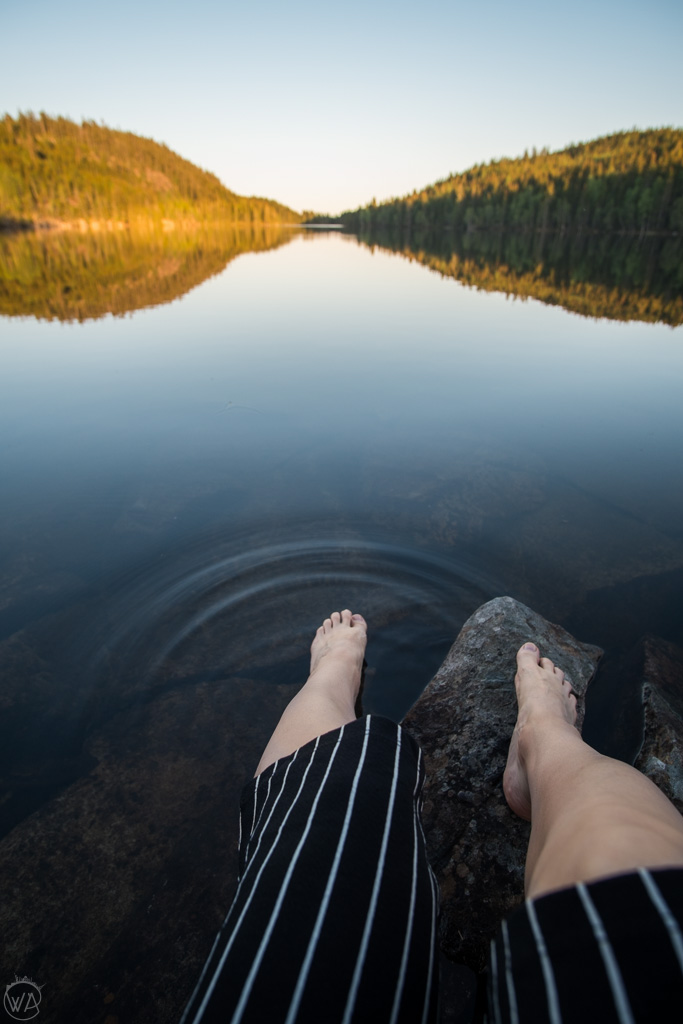
- Best for: Peaceful escapes, autumn forest colors, early morning reflections
- Tips: Take the metro to Haugerud and walk along marked trails into Østmarka; the slightly longer approach keeps it off the typical tourist path.
This lake captures the essence of Oslo’s hidden nature, serene, unspoiled, and just a short trip from the city.
Oslo Beaches: Saltwater Escapes in the City
While Norway is known for fjords and rugged coasts, Oslo has surprisingly accessible urban beaches along the inner Oslofjord.
Huk Beach
Located on the southern tip of Bygdøy, Huk Beach is the most popular sandy beach in Oslo. Surrounded by forested paths, it’s ideal for swimming, sunbathing, and picnics.
- Activities: Swimming, sunbathing, kayaking
- Tips: Arrive early on summer weekends to secure a spot.
Paradisbukta
A quieter beach on Bygdøy, Paradisbukta is ideal for families and nature lovers seeking calm waters.
- Activities: Swimming, snorkeling, small hiking trails along the coast
- Tips: No cafés nearby; bring your own snacks.
Ingierstrand Beach
Located a short drive or bus ride east of Oslo, Ingierstrand features a sandy beach, grassy areas, and a historic seawater swimming pool.
- Activities: Swimming, sunbathing, picnics
- Best for: Full day trips with easy public transport access

A Perfect 3-Day Nature Itinerary in Oslo
Day 1: Forest Immersion
- Metro to Frognerseteren
- Hike in Nordmarka
- Swim at Sognsvann
Day 2: Island Hopping
- Morning ferry to Hovedøya
- Continue to Gressholmen
- Sunset on Langøyene
Day 3: Fjord Activity
- Morning kayak rental
- Afternoon forest walk in Østmarka
- Evening viewpoint at Ekebergparken

Seasonal Guide: Oslo Nature Year-Round
Summer (June-August)
- Swimming in fjord and lakes
- Island hopping
- Berry picking
Autumn (September-October)
- Fewer crowds
- Forest colors
- Crisp hiking weather
Winter (December-March)
- Cross-country skiing in Nordmarka
- Frozen lake walks (when safe – more info here)
- Snow-covered forest trails
Spring (April-May)
- Waterfalls at peak flow
- Wildflowers
- Quiet hiking trails
Practical Tips for Nature Travel in Oslo
Public transport to Oslo nature works great
Metro lines reach forest trailheads directly:
- Line 1: Frognerseteren
- Line 3: Sognsvann
- Line 3 to Skullerud for Østmarka
Ferries to islands depart from Aker Brygge and are included in the regular public transport ticket system, that you can buy on ruter.no. It also helps with traveling Oslo on a budget!
Respect the Right to Roam
Norway’s allemannsretten allows public access to nature, but remember not to disturb wildlife, leave no trace, and camp at least 150 meters from houses, and not in the busy pubic areas, or places with signs.
Water Quality
Both forest lakes and fjord swimming areas in Oslo are regularly monitored and generally safe for swimming during the summer season.
Why Oslo Is One of Europe’s Best Nature Capitals
When people think of Norway’s dramatic landscapes, they often imagine western fjords like Geiranger or Trolltunga. But what makes Oslo extraordinary is accessibility.
Where else can you take a metro to a silent forest in 20 minutes, swim on an island minutes from downtown, and combine culture and wilderness in one afternoon?
For anyone searching for Oslo day trips in nature, the answer is simpler than expected: you don’t need to leave the city at all.
FAQ: Oslo for Nature Lovers
Is Oslo good for nature lovers?
Yes. Oslo is considered one of Europe’s most accessible nature capitals. Nearly two-thirds of the municipality is covered by protected forest (Oslomarka), and the city sits directly on the Oslofjord with multiple islands reachable by public ferry. Hiking, swimming, kayaking, and skiing are all possible within city limits.
Can you hike in Oslo without a car?
Yes. Several metro lines connect directly to forest trailheads in Oslomarka. For example:
- Line 1 to Frognerseteren (access to Nordmarka)
- Line 3 to Sognsvann
- Line 3 to Skullerud for access to Østmarka
Public transport makes Oslo hiking straightforward and sustainable.
What are the best islands to visit in Oslo in one day?
The most popular and easily accessible islands in the inner fjord include:
- Hovedøya – swimming beaches and medieval ruins
- Gressholmen – quiet picnic areas and nature trails
- Langøyene – sandy beaches and open landscapes
All are reachable by regular public ferry from Aker Brygge and can be combined into an island-hopping day.
Is the Oslo fjord good for swimming?
Yes. The inner fjord has designated swimming areas on islands and along the mainland. Water quality is regularly monitored during summer months, and many locals swim daily. The fjord is generally calm compared to western Norway’s fjords, making it suitable for swimming and kayaking in good weather.
When is the best time to experience nature in Oslo?
- Summer (June-August): Best for island hopping, swimming, kayaking
- Autumn (September-October): Forest colors and fewer crowds
- Winter (December-March): Cross-country skiing in Nordmarka
- Spring (April-May): Quiet trails and flowing streams
Oslo’s nature is accessible year-round, with each season offering a distinct experience.
How far is nature from Oslo city center?
In most cases, 15-30 minutes by metro or ferry. You can reach forest lakes like Sognsvann, viewpoints like Frognerseteren, or islands such as Hovedøya in less than half an hour from central Oslo.

Final Thoughts: Oslo for Nature Lovers
Oslo has its museums and good restaurants, and they are worth your time. But what defines the city, at least for me, is what happens beyond the streets. It’s the access to forest in Nordmarka, the clear water on Hovedøya, and the open horizons out on Grefsenkollen.
Here, nature isn’t something you plan as a special outing. It’s part of everyday rhythm. People swim after work, ski before sunrise, and take the metro straight into the forest without thinking twice about it.
If forests, fjords, and small islands within easy reach are your kind of travel, Oslo has a way of growing on you, it certainly did on me.

Like it? Pin it!