
Ethical wildlife tourism means seeing animals without causing them harm. Many popular animal experiences, from elephant rides to dolphin shows, exploit intelligent creatures. Responsible wildlife travel supports observation-only encounters and true sanctuaries. Check out the article below for how to do that!
Ethical Wildlife Tourism vs Unethical Animal Tourism – The Cost Behind the “Once-in-a-Lifetime” Experience
Animal tourism has become one of the most visible sectors of global travel, promising unforgettable encounters with elephants, primates, dolphins, big cats, and more. Yet behind glossy marketing and viral Instagram photos lies a pervasive reality of suffering, exploitation, and trauma for intelligent sentient beings, which is far from responsible traveling we should all aim for.
During my visit to Thailand, I watched tourists eagerly climb onto elephants for photos, unaware of the stress and suffering hidden behind the smiles. For the animals, it often means a lifetime of pain.
What looks like a “bucket list” moment for travellers often comes at a profound cost to the animals involved. In this article, I explain why animal tourism is unethical, highlighting specific examples from destinations including Thailand, Vietnam, Laos, Kenya, Jordan, and more. I also let you know how you can choose more compassionate ways to explore wildlife.
Thailand: Elephant Rides and Tiger Photo Ops
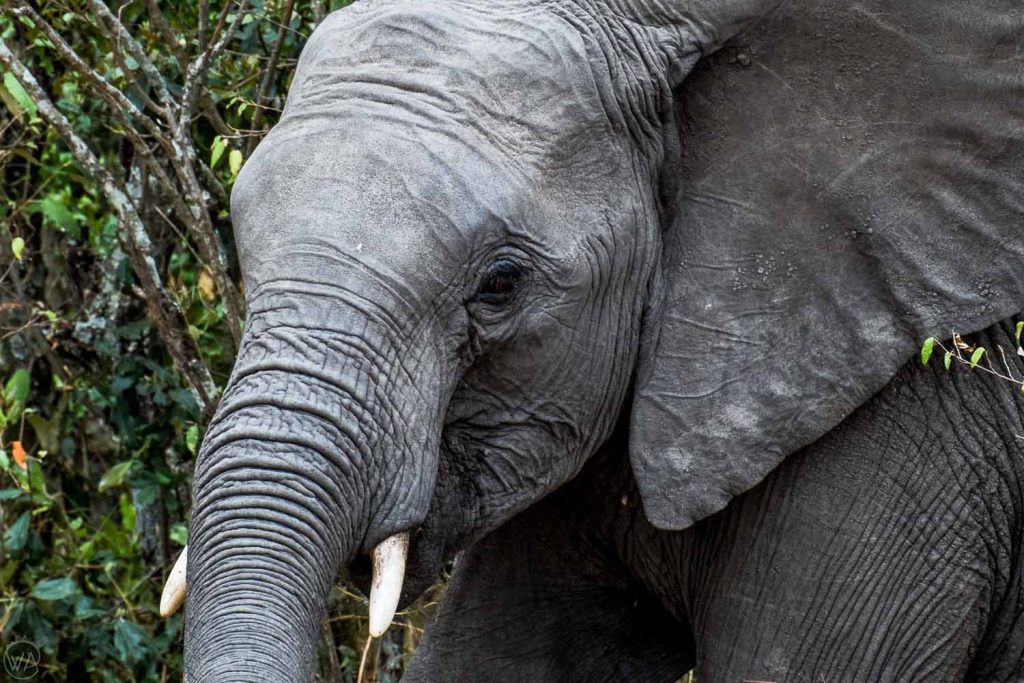
In Thailand, elephant tourism remains a widespread attraction marketed to visitors wanting to ride, bathe, or pose with these majestic animals. Despite some decline in riding, recent research confirms that two-thirds of captive elephants in Thailand’s tourism industry still live in poor conditions, enduring short chaining, inadequate diets, forced interactions with tourists, and minimal social opportunities. Many elephants continue to offer rides, shows, or “washing experiences” that sound benign but require constant handling and restraint, steering animals away from their natural behaviors.
When I visited Thailand, I wanted to see wild elephants, unfortunately it was impossible. I also thought about volunteering in a conservation project. However, many of the places I found, seemed unethical, even though many of them included a word “sanctuary” in their name.
Elephants are highly intelligent, social animals with complex emotional lives, strong family bonds, and the cognitive capacity for memory and deep learning. To make them compliant for rides and photo opportunities, many are subjected to harsh training methods that break their natural resistance to captivity, sometimes referred to as the “crush” process.
In the past, the controversial Tiger Temple became infamous for tiger encounters before its closure, with allegations of illegal wildlife trade and mistreatment.
Why Tourists Should Avoid These Activities:
- They perpetuate a demand for captive elephants and big cats.
- They involve physical and psychological restraint and suffering.
- They misrepresent true animal welfare under the guise of “sanctuary” experiences.
Prevention:
Support observation-only wildlife experiences and reputable sanctuaries that do not offer rides or forced interactions. Research facilities carefully, and don’t rely on names like “sanctuary” alone. You can find some guides on the animal welfare organization’s pages, such as here.
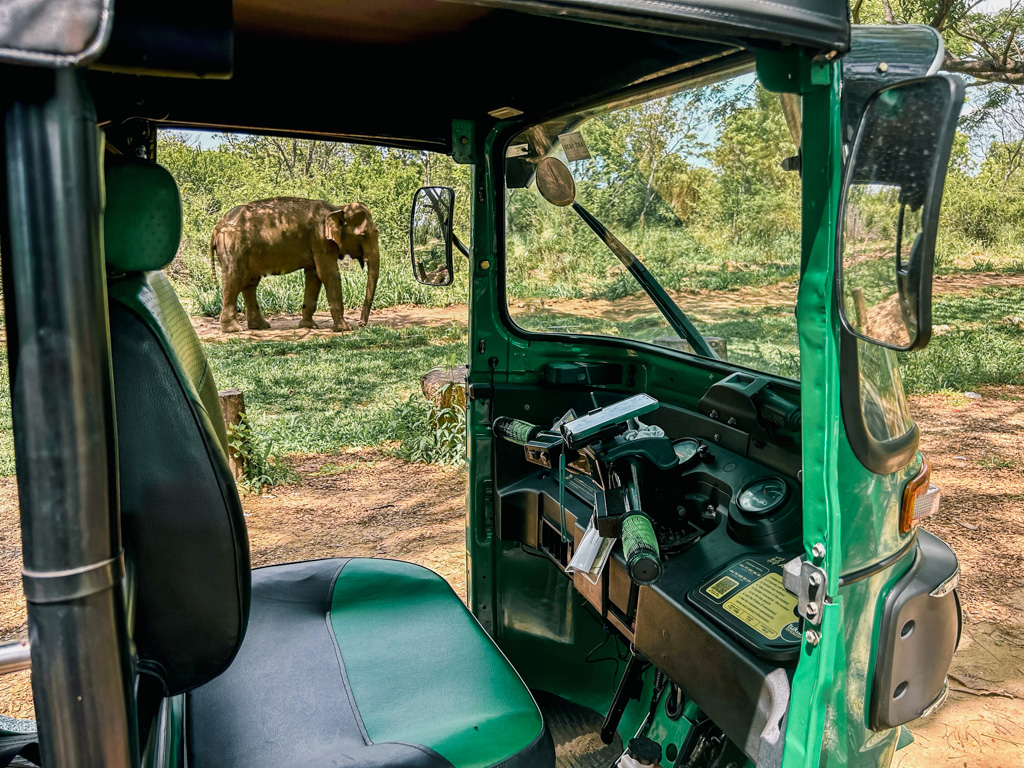
I can highly recommend admiring the animals in the wild instead. For elephants and big cats, you can do it on a safari in Kenya, for Asian elephants, you can explore the national parks with wild elephants in Sri Lanka.
Indonesia: Marine Parks, Orangutans, and Captive Shows
Across Indonesia’s popular travel destinations, I saw animal tourism taking multiple forms – from marine parks that confine dolphins and orcas in tanks far smaller than their natural range, to facilities where tourists can interact with orangutans or other primates. I’ve also seen it in Bali, which became extremely touristy in recent years.
Captive marine mammals in parks, or hotels, kept for tourists, spend their lives in environments that cannot replicate the vast oceans they evolved to navigate. Confined spaces, forced performance schedules, and limited social structures cause ongoing stress and health problems.
Orangutans and other primates used for photo opportunities are taken from wild populations or bred in captivity, often spending their lives tethered or in small cages, deprived of the ability to climb, explore, and socialize normally.
Why you should avoid Theese Activities:
- Dolphins and orcas in captivity exhibit signs of psychological and physical distress.
- Primate photo opps disrupt natural behaviors and social structures.
Prevention:
I recommend supporting marine conservation programs that protect habitats and view wildlife from a respectful distance. Do not participate in shows or photo ops, and choose only ethical wildlife tourism experiences.

Kenya: Safaris That Respect Animal Welfare
In contrast to exploitative attractions, wildlife safaris in Kenya and other African countries, such as Uganda, can offer ethically grounded wildlife experiences when conducted responsibly. In Kenya’s Maasai Mara and Amboseli, or Uganda’s Bwindi Impenetrable Forest gorilla treks, I witnessed animals in their natural environments with trained guides who prioritize minimal disturbance.
I loved my time on the African safari in Kenya, and it was amazing to see so many animals in the wild. In Uganda, I tried doing the gorilla trekking in the wild, however, we had issues with a permit provider, so I didn’t manage. The permits are expensive, but it helps out to manage the number of tourists and increase conservation efforts for these amazing animals.
However, even in these contexts, ethical concerns arise when tourism practices encroach on animal behavior or habitat. For example, poorly regulated vehicle traffic, noise, or off-trail excursions can stress wildlife and alter their natural patterns.
Why Tourists Should Still Be Cautious:
- Unregulated safari experiences can cause stress to animals.
- Tourist proximity without proper guidance may disrupt feeding or breeding activities.
Prevention:
Engage licensed guides with strict ethical codes, maintain appropriate viewing distances, and support conservation fees that fund habitat protection and community stewardship.

South America: Amazon River “Encounters” and Captivity
In parts of Peru, Ecuador, or Brazil, particularly in the Amazon basin, river tours sometimes include close encounters with dolphins or captive wildlife presentations. While river dolphins are fascinating creatures with complex behaviors and social structures, interactions that feed, touch, or confine them for tourist photos can compromise their well-being.
Similarly, small facilities that display local fauna for photos often do so without adequate space, enrichment, or veterinary care, imposing chronic stress on animals not meant for captivity.
Why Tourists Should Avoid These Activities:
- Forced interactions disrupt natural behaviors.
- Captivity in inadequate spaces leads to poor welfare outcomes.
Prevention:
Seek responsible river tours focused on observation from a respectful distance. Avoid paying for photos or feeding sessions. I described my experience on an Amazon tour in Ecuador in the article here, that was done in ethical way, and we did see river dolphins in the wild – it was magical!


Jordan: Horses and Donkeys in Petra’s Tourist Economy
Petra is one of the most iconic archaeological sites in the world, but its beauty is inseparable from the suffering of animals used to transport tourists through its narrow paths. Walking through Petra, I saw horses and donkeys struggling up steep stone steps, their flanks sweating under heavy saddles. Many of them bore scars from ill-fitting gear, yet they were made to work hour after hour in the scorching sun, carrying tourists who didn’t know the hidden cost of this “experience”. Animal welfare organizations have repeatedly documented cases of overloading, beating, and neglect, particularly during peak tourist seasons.
Horses are highly sensitive, intelligent animals capable of forming strong bonds and experiencing fear, stress, and pain. In Petra, they are treated primarily as transport tools rather than sentient beings. The pressure to meet tourist demand incentivizes speed and volume over welfare, resulting in animals being pushed beyond their physical limits. Donkeys, often perceived as “hardy,” are especially vulnerable to mistreatment because their suffering is normalized and ignored.
Why tourists should avoid these activities:
- Riding or being transported by animals directly sustains a system of overwork and neglect.
- Payment for rides reinforces economic incentives that prioritize profit over welfare.
- The animals cannot refuse participation and are subjected to physical coercion.
How to prevent this:
Visitors can walk the site or use alternative transportation where available. Choosing not to ride sends a clear message that animal suffering is not an acceptable cost of cultural tourism. Supporting local initiatives that promote animal welfare standards in Petra also helps shift the industry.

The Philippines: Whale Shark Tourism and the Illusion of Conservation
The Philippines is famous for whale shark encounters, particularly in places like Oslob, where tourists can swim alongside the world’s largest fish. While often marketed as eco-tourism or conservation-friendly, many of these operations rely on baiting whale sharks with food to guarantee sightings. This practice disrupts natural migratory patterns, alters feeding behavior, and increases the risk of injury from boats and human contact.
When I was visiting Philippines, I decided not to do the activity in Oslob. Swimming beside a whale shark may feel magical, but I couldn’t ignore how baiting changed their natural behavior
Whale sharks are highly intelligent, long-lived animals with complex spatial memory and natural migration routes spanning thousands of kilometers. Conditioning them to associate humans with food undermines these instincts and may have long-term consequences for their survival. Crowding by swimmers, accidental touching, and flash photography further increase stress levels.
Why tourists should avoid these activities:
- Artificial feeding alters natural behavior and dependence patterns.
- Close contact increases the risk of injury and disease transmission.
- Conservation messaging is often used to mask exploitative practices.
How to prevent this:
Choose destinations that offer strictly regulated, non-feeding observation, with enforced distance rules. Support marine conservation organizations working to protect whale sharks in the wild rather than staged encounters.

Dolphin Shows: Entertainment Built on Captivity and Control
Dolphin shows remain popular in parts of Asia, Europe, and the Middle East, despite overwhelming evidence that captivity causes long-term harm. Dolphins are among the most cognitively complex non-human animals, possessing advanced communication, self-awareness, and social structures. In captivity, they are confined to tanks that represent a tiny fraction of their natural range and are forced to perform repetitive tricks for food rewards.
These environments deprive dolphins of meaningful stimulation and social choice. Captive dolphins frequently exhibit abnormal behaviors associated with psychological distress, including repetitive movements and aggression. Breeding programs and captures from the wild further compound the ethical issues.
Why tourists should avoid these activities:
- Performances are based on food deprivation and coercion.
- Tanks cannot meet dolphins’ physical or cognitive needs.
- Attendance legitimizes the continued capture and breeding of dolphins for entertainment.
How to prevent this:
Avoid marine parks and shows entirely. Opt for responsible whale- and dolphin-watching tours that prioritize distance, limited numbers, and strict codes of conduct. Support organizations working for this cause.

Russia: Bears Used for Entertainment and Tourist Photos
In Russia, bears have long been exploited for human entertainment, a practice that continues today in various forms of tourist attractions, roadside photo opportunities, and private facilities. Bears are sometimes chained, muzzled, or kept in small enclosures, forced to perform tricks or pose with tourists. These animals are frequently captured as cubs and subjected to harsh training methods that rely on fear and physical punishment.
Bears are intelligent, emotionally complex animals with strong maternal bonds and large natural territories. Confinement and forced performances result in chronic stress, aggression, and severe welfare issues. Despite growing public awareness, enforcement of animal welfare laws remains inconsistent.
Why tourists should avoid these activities:
- Captive bears are denied natural behaviors such as roaming, foraging, and hibernation.
- Tourist demand directly fuels illegal capture and abusive training.
- Photo opportunities normalize cruelty under the guise of tradition or novelty.
How to prevent this:
Refuse photo opportunities involving captive wildlife. Support international pressure and NGOs working to end the use of bears for entertainment and promote rehabilitation.

Australia: Koala Handling and Captive Wildlife Encounters
Australia is often perceived as a leader in wildlife protection, yet animal tourism there is not without ethical concerns. Koala handling experiences remain popular, allowing tourists to hold or pose with animals that are naturally solitary and highly sensitive to stress. Koalas sleep up to 20 hours a day to conserve energy due to their low-nutrient eucalyptus diet; forced handling disrupts this critical rest cycle.
Similarly, captive encounters with kangaroos, wombats, and reptiles can involve inappropriate handling, artificial environments, and breeding programs designed primarily for tourist access rather than conservation.
Why tourists should avoid these activities:
- Handling causes measurable physiological stress in koalas.
- Captivity prioritizes visitor interaction over animal needs.
- Conservation branding often obscures commercial motives.
How to prevent this:
Choose wildlife parks and sanctuaries that prohibit handling and emphasize observation and education. Support conservation projects focused on habitat protection rather than animal interaction.
Why These Practices Harm Animals
Intelligence and Sentience
Animals used in tourism are not automatons. They are intelligent, sentient beings with emotional lives and complex social structures. Elephants show empathy, grief, and strong family bonds, primates exhibit advanced problem-solving, dolphins have sophisticated communication systems. Captivity, forced interactions, and unnatural routines disrupt these capacities, leading to chronic stress, behavioral abnormalities, and diminished welfare.
Training, Restraint, and Psychological Trauma
Many animal tourism attractions rely on forceful training, separation from family groups, physical restraints, and repetitive labor to make animals “tourist-friendly.” These methods inflict pain, fear, and long-term trauma, which are invisible in the curated photo that ends up on social media.
Conservation Misrepresentation
Many attractions justify themselves as conservation or sanctuary experiences. Yet true conservation means protecting animals in the wild and improving welfare, not exploiting them for profit. Misusing conservation language obscures the reality of harm.
Ethical Wildlife Tourism
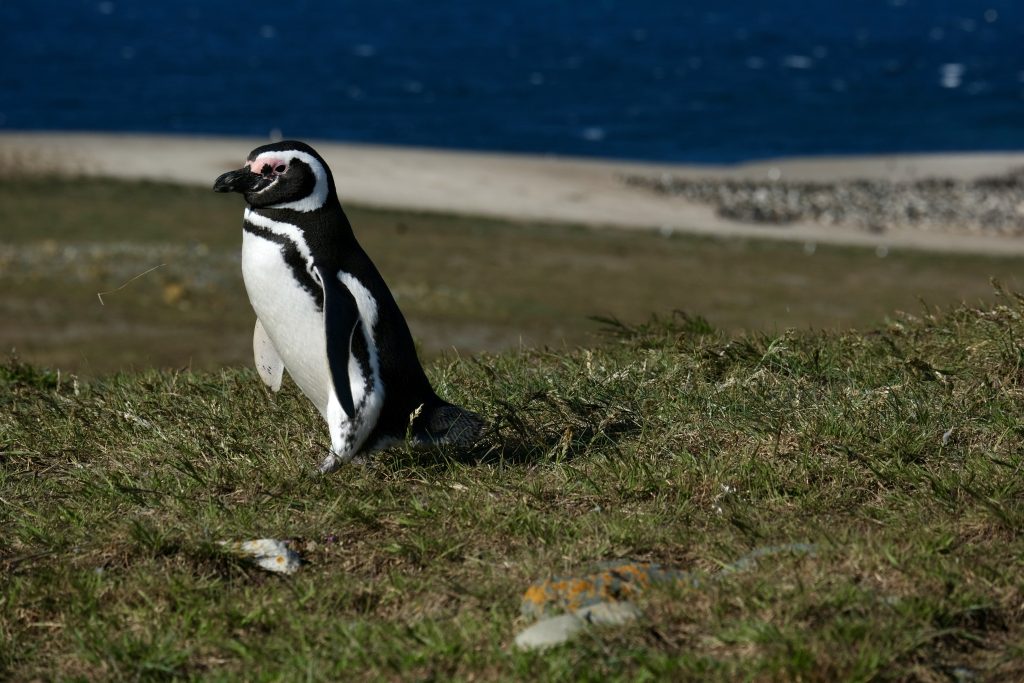
Instead of participating in exploitative animal tourism, travelers can choose:
- Observation-only wildlife tours: View animals in their natural habitats where possible, with minimal disturbance.
- Support genuine sanctuaries: Only visit facilities whose primary mission is rescue and rehabilitation, without rides or forced interactions.
- Educational eco-tours: Participate in guided experiences that respect animal behavior and contribute to community conservation.
- Donate to conservation organizations: Support efforts that protect habitats, fund anti-poaching, and advance animal welfare.

Conclusion: Travel That Respects Life
Tourism should expand our horizons, not exploit the living beings we encounter. When we choose activities that respect animal welfare, we honour the intelligence and intrinsic value of other species. Responsible travel enriches us and protects the world we explore, ensuring future generations can witness wildlife in environments where these beings live as nature intended, not as props for fleeting photos.
Have you ever witnessed animal activity that hurts the animals? What did you do? What did you choose instead? Let me know in the comments!
Like it? Pin it for later!
